High-performance cars are built to deliver an exciting combination of speed, comfort, technology, and everyday usability. For enthusiasts who want to refine the character of their vehicles, the exhaust system is often an area worth exploring. Downpipes are an important part of a turbocharged exhaust system because they connect closely to the turbochargers and influence how exhaust gases move away from the engine. For owners of powerful German performance cars, Audi RS6 C8 and Mercedes-AMG GT63 X290 downpipes are popular subjects when researching exhaust upgrades.
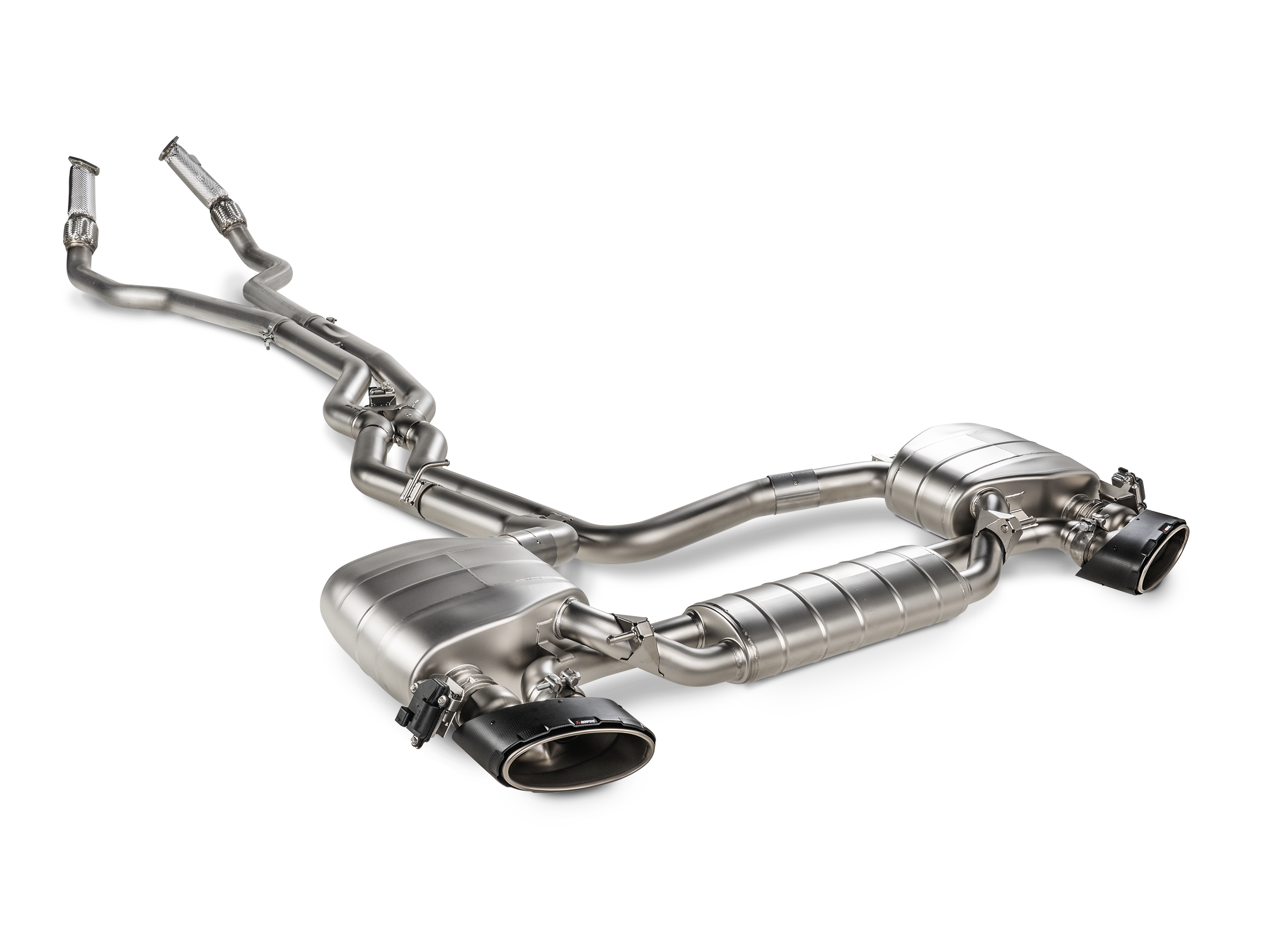 ## Understanding Audi RS6 C8 Downpipes
The Audi RS6 C8 is known for its twin-turbocharged V8, sophisticated drivetrain, and impressive factory performance. audi rs6 c8 downpipes ↗ can be considered as part of a broader exhaust upgrade designed around improving exhaust flow and changing the vehicle's overall driving character.
When choosing components for an RS6 C8, fitment should be a primary consideration. The downpipe must be designed specifically for the C8 platform and its exhaust configuration. Quality materials, accurate dimensions, strong welds, and properly engineered connection points can all contribute to a dependable installation.
For enthusiasts, the choice between different exhaust configurations may depend on whether the vehicle is primarily used on public roads, at track events, or for private performance applications. Some aftermarket configurations can affect emissions equipment and may not be legal for public-road use. Checking local regulations before purchasing or installing any performance exhaust component is essential.
Mercedes-AMG GT63 X290 Downpipes
The Mercedes-AMG GT63 X290 combines luxury with serious performance, giving owners a vehicle that can comfortably handle daily driving while offering substantial power when conditions allow. mercedes gt63 x290 downpipes ↗ are designed for enthusiasts interested in exploring the exhaust side of the vehicle's performance potential.
As with any high-performance exhaust modification, construction quality matters. A properly manufactured downpipe should use suitable materials and precise fabrication techniques to handle high temperatures and constant vibration. Accurate fitment is equally important because poorly fitting components can create installation difficulties or unwanted exhaust leaks.
Owners should also consider how an upgraded downpipe will interact with the rest of the exhaust system. A modification works best when it is viewed as part of the complete vehicle rather than as an isolated component.
Key Factors to Consider Before Buying
There are several practical points to review before selecting an aftermarket downpipe. Vehicle compatibility is particularly important because even closely related models can have different exhaust layouts and mounting requirements.
Consider the following:
-
Exact vehicle year and specification
-
Material and fabrication quality
-
Flange and connection accuracy
-
Compatibility with the existing exhaust
-
Installation requirements
-
Intended street or track use
-
Local emissions and noise regulations
-
Warranty considerations
Taking time to verify these details can help prevent unnecessary expenses and installation problems.
Installation and Professional Advice
Installing performance exhaust components on modern vehicles can require specialized tools and experience. Limited access around turbochargers, sensors, heat shielding, and exhaust connections can make the process more complicated than it initially appears.
Professional installation can help ensure that components are positioned correctly and connections are properly secured. After installation, checking for exhaust leaks and unusual noises is also important. If software calibration is being considered, owners should separately review warranty, emissions, and legal implications before making ECU changes.
Building a Balanced Performance Setup
Not every enthusiast wants the loudest possible exhaust. Some drivers prefer a balanced setup that provides a more purposeful sound while maintaining comfort during everyday driving. Others may prioritize maximum airflow for closed-course applications.
The right choice ultimately depends on the vehicle's purpose and the owner's priorities. A carefully selected exhaust upgrade should complement the engine, turbocharging system, and other modifications rather than creating an unbalanced configuration.
Final Thoughts
Audi RS6 C8 and Mercedes-AMG GT63 X290 owners have a wide range of options when exploring performance exhaust upgrades. The most important step is choosing components based on quality, correct fitment, intended use, and applicable regulations. By researching the vehicle carefully and working with experienced professionals, enthusiasts can create a more refined and purposeful performance setup without overlooking reliability or responsible road use.